
Say something people want

You've worked your heart out building your startup. You’ve convinced the smartest investors to pour millions into your vision. You’ve recruited a dedicated, world-class team. Your conviction is immutable, and the timing couldn't be better to make your long-sought lasting dent in the world...
But Roey, the prospective customer who just listened to your demo, stares back at you blankly. “So,” he says, still chewing through his lunch, “you’re, like, a gateway thing? We already have something for that.”
“Goddammit,” you think as you let out a quiet sigh... Another person who doesn’t get it.
This is the kind of scenario I’ve been brought into at 100+ startups, including Temporal, Runlayer, Console, Restate, Pydantic, Rerun, Netlify, and Pinecone (where I helped create and popularize “vector databases”). And having worked on every version of the problem, at every stage, in every vertical, with every founder personality, and in every hype cycle of the past 13 years, I’ve found the most reliable solution is as simple as it is effective:
Say something people want.
This needs to be said and consciously practiced for the same reason Paul Graham’s simple advice to “make something people want” remains YC's motto 20 years later:
- The smarter you are...
- The stronger your conviction...
- The bigger your ambition...
The bigger the gap between what you tend to say about your product and what people presently want. And until you bridge that gap, everything from selling to recruiting to fundraising... to getting people to give a damn... will keep feeling far more difficult than it needs to be.
The first step is to recognize you probably don’t know what people want. The second step is to throw the old positioning playbooks in the trash.
You probably don’t know what people want
The first thing to accept is that you don’t really know what your audience wants. You might think you do, but you’d be fooling yourself:
- You don’t have the same job. Even if you once shared a title, the moment you become a founder you stopped sharing the same goals, priorities, and pressures as them.
- You don’t have the same obsession. You overestimate how much the typical customer has already thought about or is willing to think about your product or domain.
- You don’t have the same context. They haven’t spent years neck-deep in your market or started companies in it. They’re not in your niche group chats or founder dinners. Historical analogies about mainframes or dot-matrix printers or punch cards don’t pack the punch you think they do, and your profound predictions about the future just fall flat.
That false confidence leads you to do things like:
- Say what people already have, like “the enterprise-grade $X” or “the AI-native $Y.” Describing yourself as a slightly different version of a fading category makes you fade with it. Use the old thing for contrast, not likeness.
- Say what you’ve built, like “runtime security scanner” or “LLM gateway." You may think you’re being more clear by leading with the literal description of the product, but saying this too early forces your audience to figure out what it’s for, why it matters, and how it’s different from all the other things. They won't bother.
- Say what you fantasize about, like “a composable $X” or “an OS for $Y” or “$Z intelligence” or anything with the word “runtime” in it. I know it sounds so sensible, clever, and cool to you, but these abstractions are completely cryptic to everyone else. Besides making people figure out why you matter, you’re making them figure out what you even mean.
Traditional positioning doesn’t care what people want
The other common pitfall is to take the traditional approach to positioning, which is to spend months deciding what people ought to want — or worse, listening to what analysts think people want — then spend years repeating it and hope it sticks.
This involves a months-long process in which the CEO, some execs, some marketers, and maybe a branding agency convene in a conference room and debate worthless words and contrived concepts until they reach some bullshit consensus about creating a category like AI Agent Composable Runtime Mesh Control Layer Firewall (the OS for the unstructured data security fabric) and disperse with glee to start spreading this crap everywhere they can.
The reality is it’s incredibly hard to make someone care about a made-up thing more than their own needs, and the payoff is questionable. I’ve interviewed over 1,000 buyers — engineers of all types, AI researchers, and security and IT leaders — and I’ve practically never heard these contrived categories come up naturally. Despite popular belief, most startups succeed without setting out to create a new category.
Traditional positioning had a scant chance of working before, and has zero chance of working now.
- People now form their views from trusted peers on X, text groups, Slack, dinners, Hacker News, podcasts, and the like. Not from the analyst reports or “thought leadership” drivel that was once used to force your positioning on them.
- Products, competitors, and buyer sentiments can now shift on a daily basis, making the months-long positioning process not just out of touch but also out of date.
- There’s already too much bullshit and AI slop for bullshit positioning to contend with. Anything that sounds even remotely forced and disingenuous is instantly tuned out. Anything that’s bland and self-serving gets lost in the noise.
As you grow you might get the urge or the advice to do a “proper positioning project” because “that’s what big companies do.” Don't fall for it. Like meetings and management layers, this is something you must consciously resist as you grow, lest you find yourself looking stodgy and irrelevant like the incumbents you wanted to replace.
Just say what people want
The most successful companies today position themselves around what people want. And they get that across by simply saying what people want.
Look at Slack: Can you believe they never featured the word “chat” on their homepage? Even from their earliest days, Slack positioned itself not around a category but around the desire to get shit done. They were never “the modern chat,” “the conversational work platform,” or “the productivity layer.”
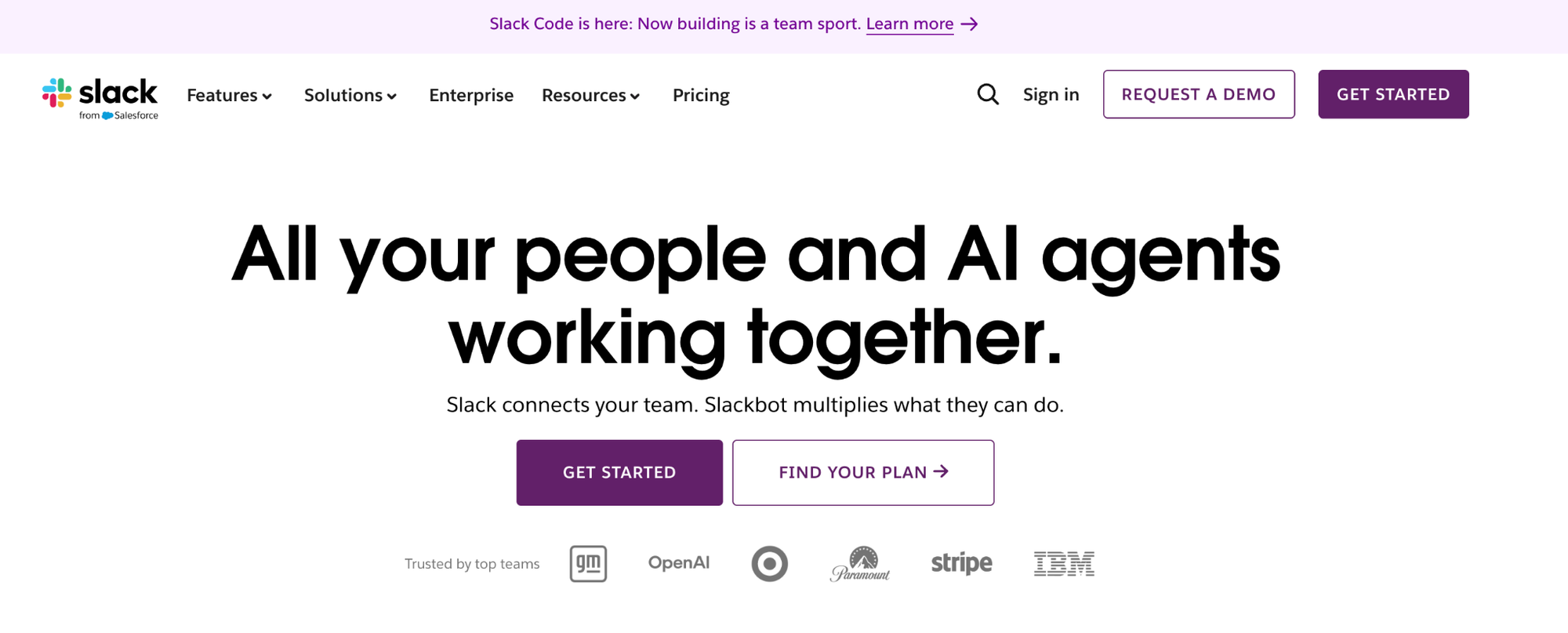
Fin is positioned as the way to provide the best customer service.
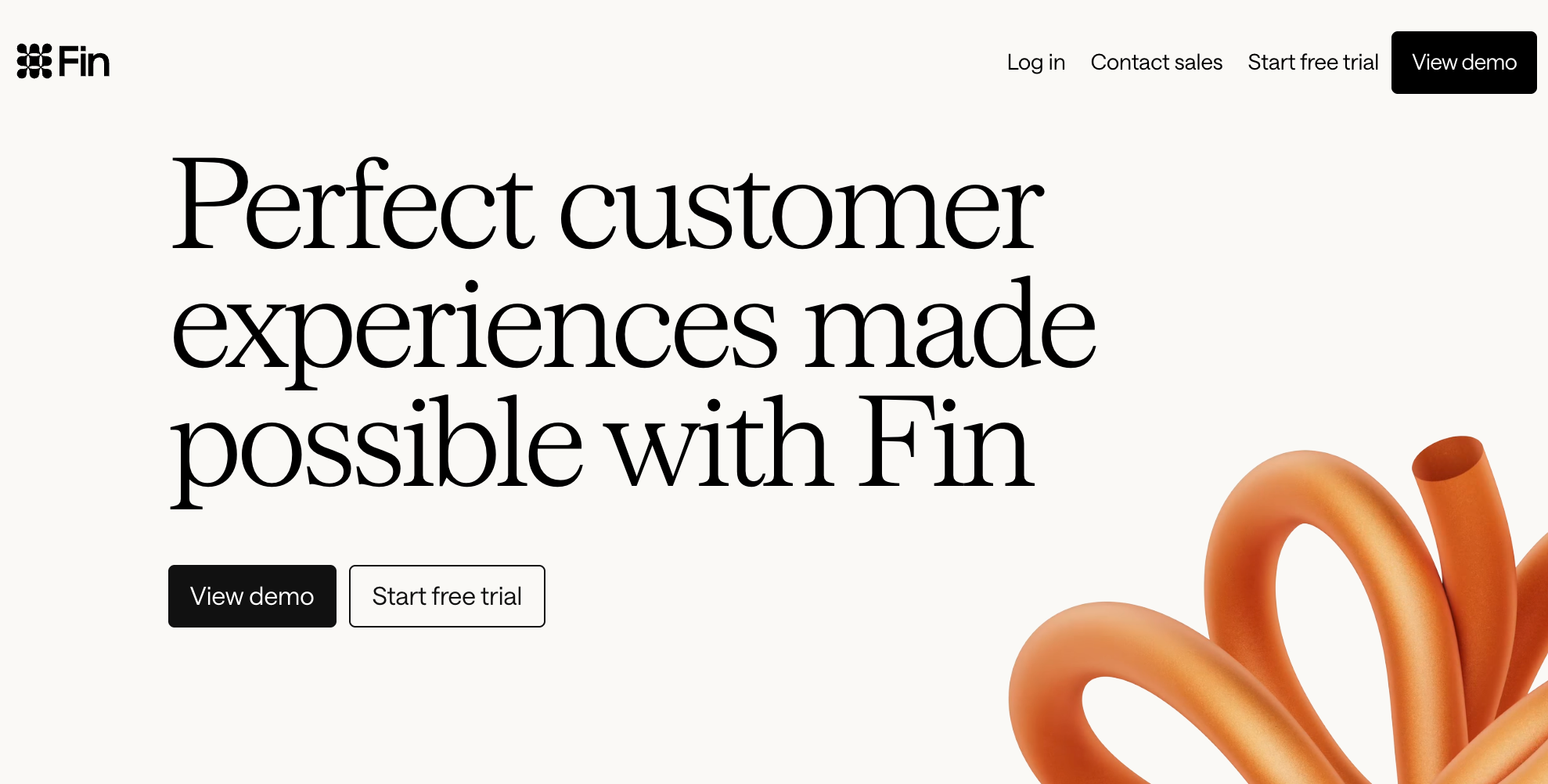
Wiz is for protecting everything in the cloud.
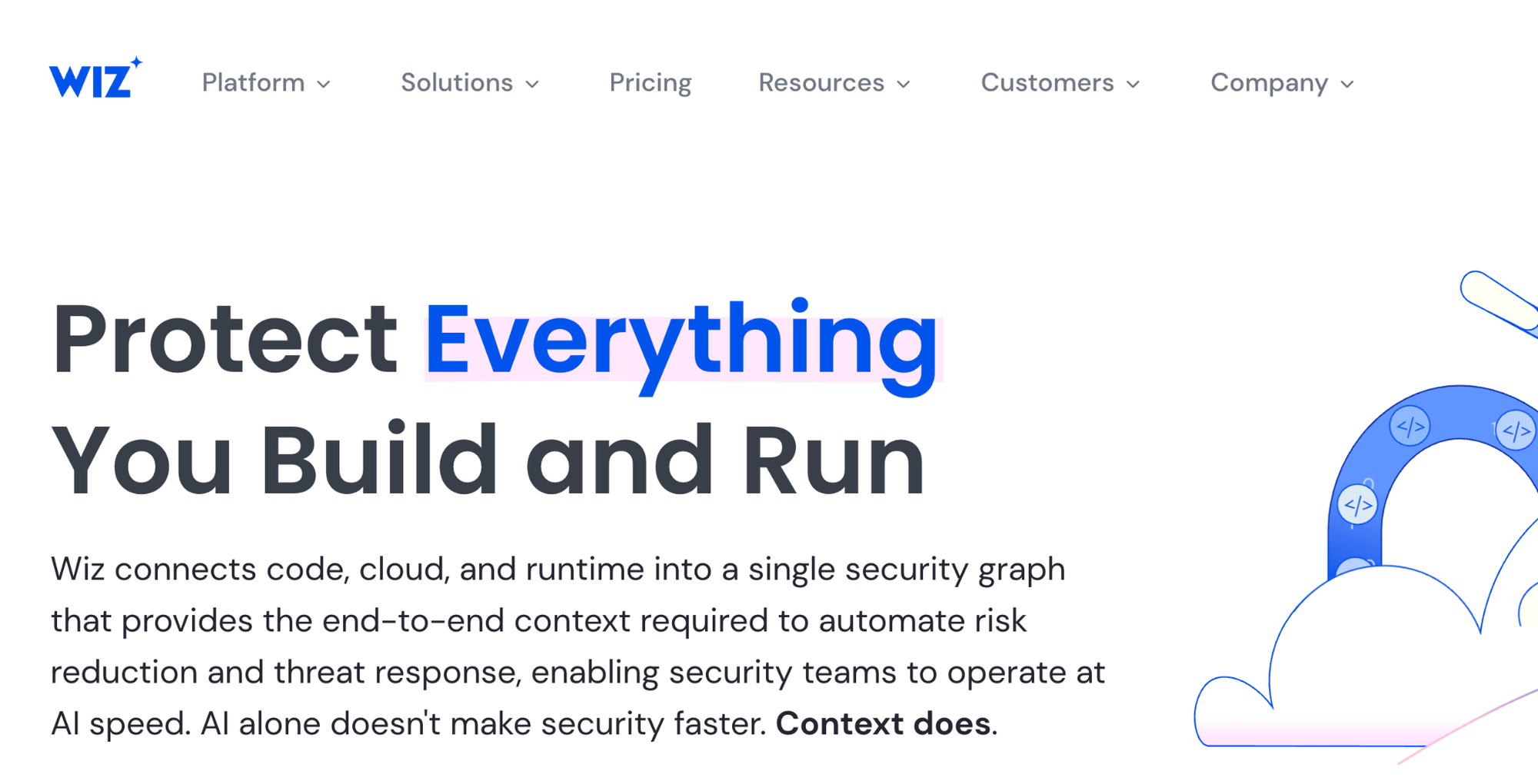
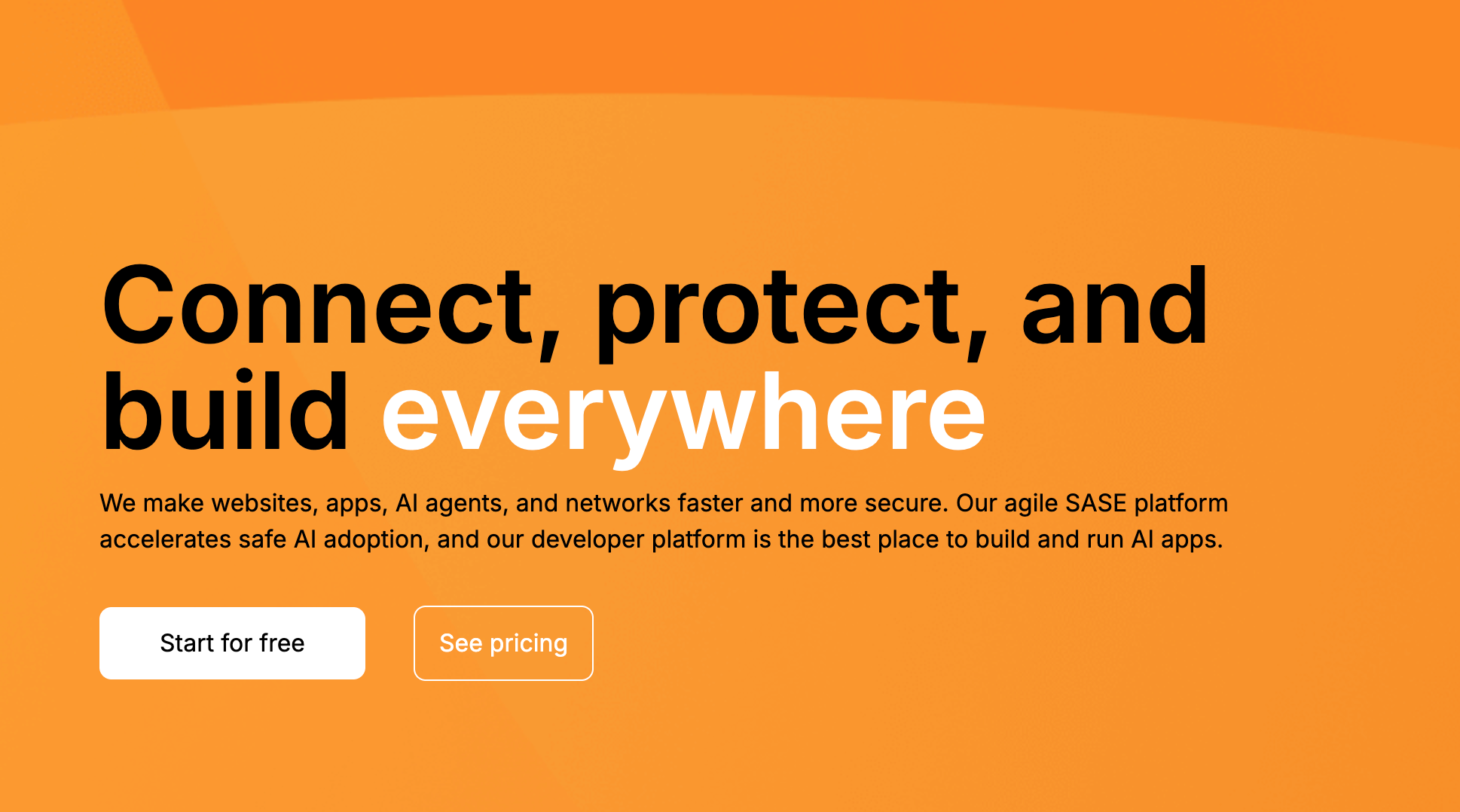
Cloudflare is about connecting, protecting, and building apps. (Notice how unnatural the category label “SASE platform” looks there. They’ve since removed it.)
And it's clear what Harvey believes their people want.
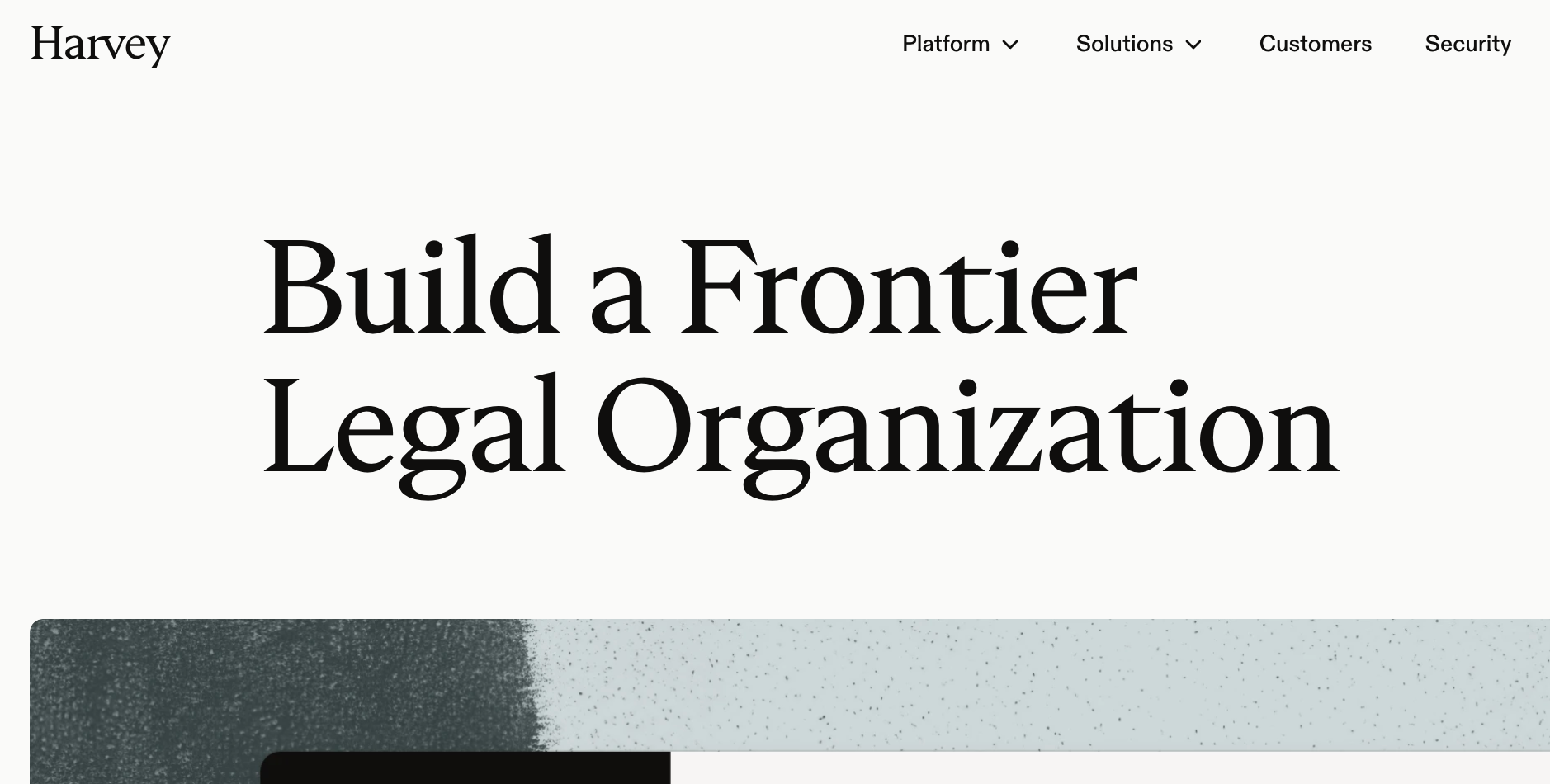
Slack, Wiz, Cloudflare, Fin, and Harvey win by becoming known for doing something rather than for being something. Like them, you should position yourself as the best way for your audience to accomplish what they want.
- People’s desires are more stable than buzzwords and categories, so you won’t have to thrash or risk looking outdated.
- For the same reason, once you get established as the way of doing something, it’s harder for competitors to displace you.
- It forces you to deeply understand your audience, which will also help you build better products and stronger relationships.
- When you speak directly to people’s self-interest in plain words, they notice, understand, see the value, and remember. And if they feel you understand them better than competitors, they’ll assume you built the better product.
- If you nail the above, the analysts and investors will redefine or name new categories on your behalf, so you never have to bother.
Find out what people want
First things first: Define the “people” in “what people want.”
Then find and invite 30 of them to chat. Ask them about their aspirations, desired outcomes, and requirements.
1. Aspire
The aspiration is who they want to become or how they want their work to feel. Use this as the core of your positioning.
Even hearing them ask for a “faster horse” is useful because it tells you they want to get somewhere faster. They’ll use the language they know or they may be indirect. It’s up to you to spot the patterns and the deeper meaning.
Put the aspiration into concrete language they strongly relate to but haven’t heard before. When you nail this, people’s faces will light up when you say it, and they’ll feel you understand them more than any other company. I’ve had people choke up, bring up their childhood dreams, and damn near fall out of their chairs with excitement when they felt like someone finally got them.
Reject the first idea which is likely to be something generic like “move fast while staying in control” or “better $X, faster” or “unlock $Y.”
Slack’s positioning revolved around an aspiration:
By elevating the positioning from an answer to the questions of What is Slack? to promising a feeling Slack would deliver (Be less busy) we felt like we could appeal to a bigger, unaddressed need in people. […] Intuitively we knew that feelings drove the most value for people. As a side benefit, we could work our way around the What is Slack? question to try to answer a more aspirational question: how does Slack make me feel? (James Sherrett)
2. Desire
A desired outcome is the successful result they want from their work. Use this to make your product’s business value concrete and relevant to their responsibilities.
For example:
- AI researchers may want to tighten the iteration loop between models and real-world experiments.
- Heads of IT may want to give their specialists the agency to do more meaningful work for the company and their resumes.
- CISOs may want to get full coverage of security risks across new domains like AI agents.
- For most of 2023, developers wanted to ship their own version of ChatGPT.
3. Require
A requirement is something the product must do for them to achieve the desired outcome. Use this to prove your product has the capabilities to accomplish their desired outcome, and that you do it in a way your competitors can’t match.
As an example, for the CISO seeking full coverage of AI-agent risks, requirements might include discovering every agent, seeing which data and systems each one can access, and enforcing policies across them.
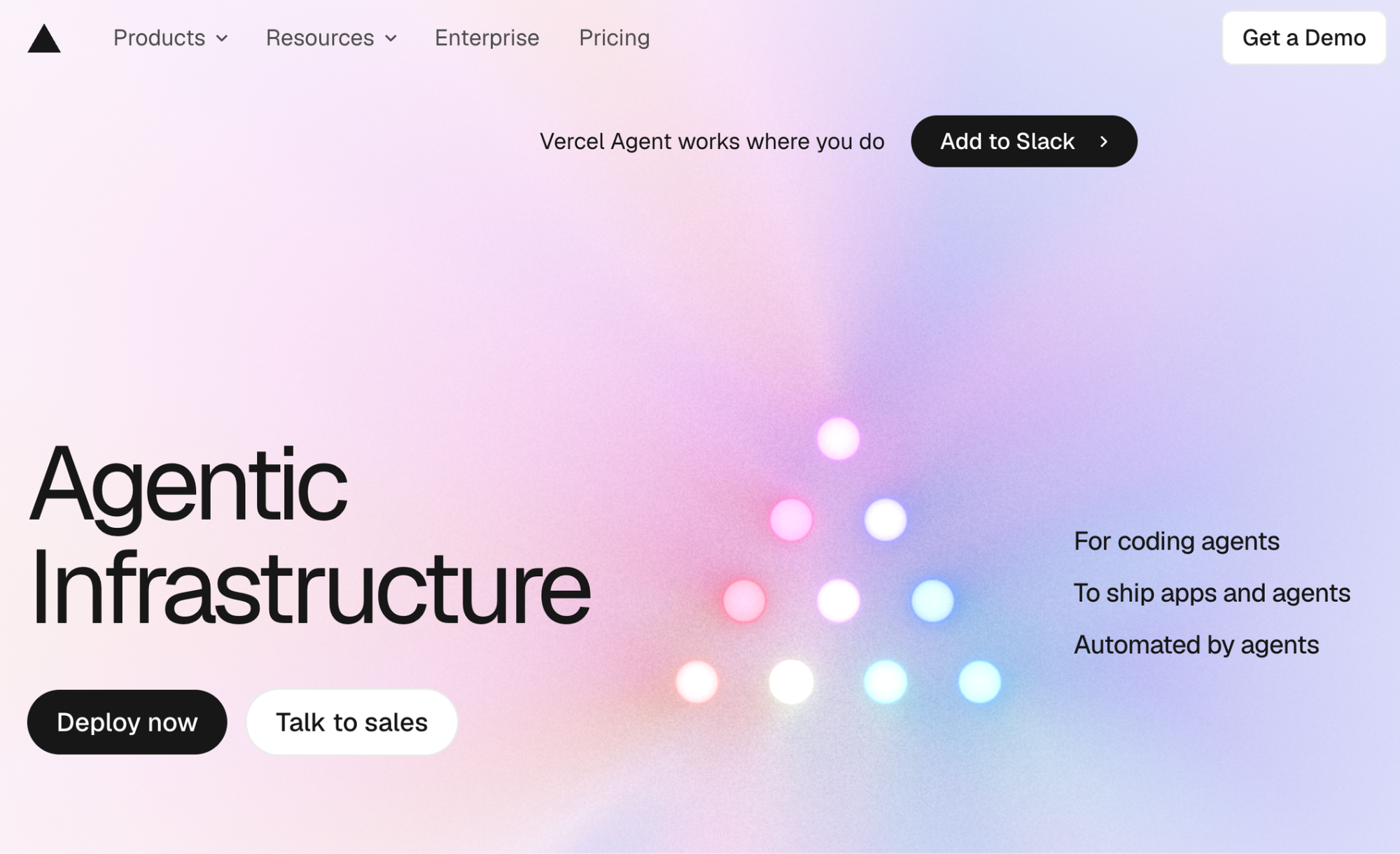
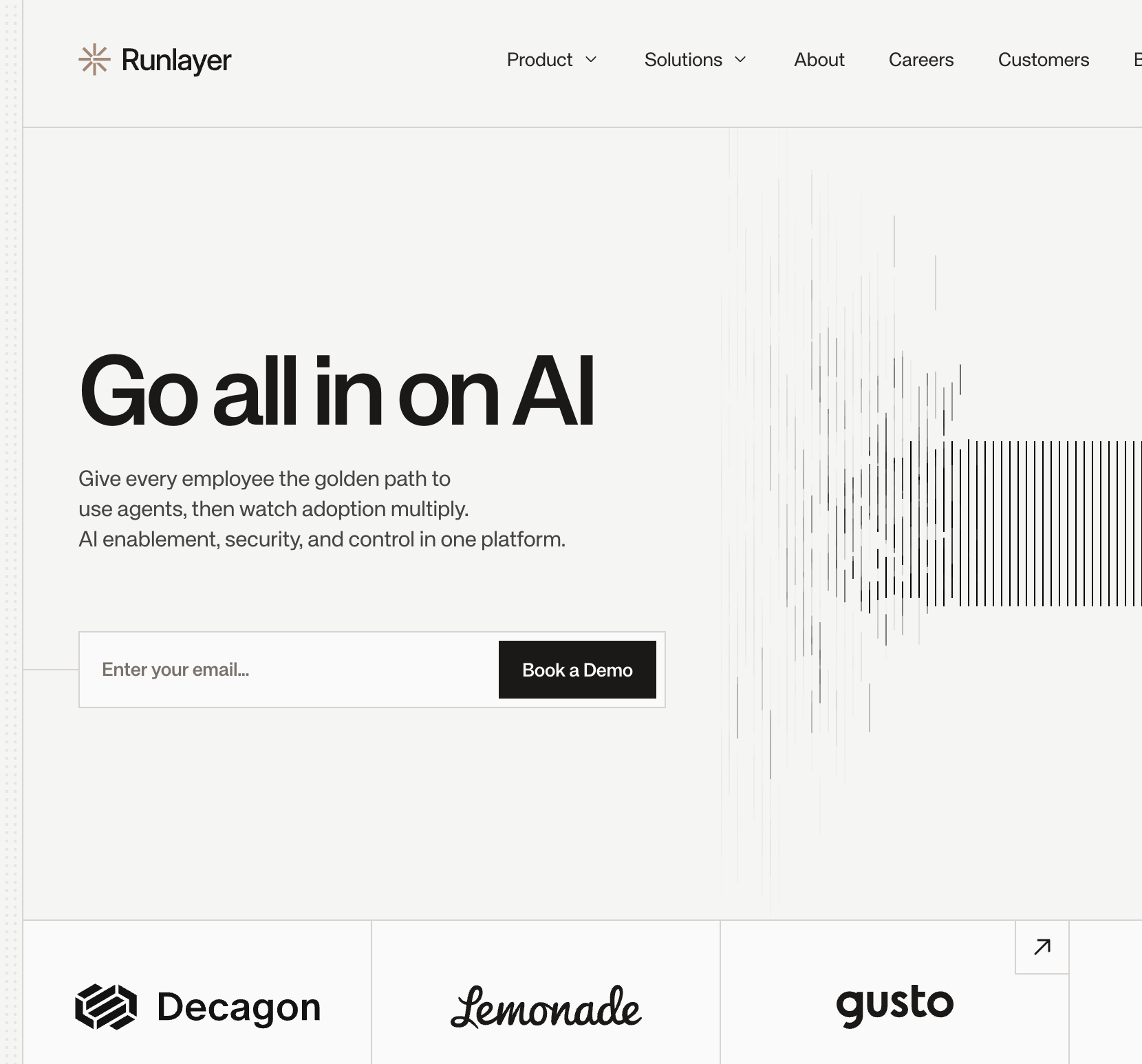
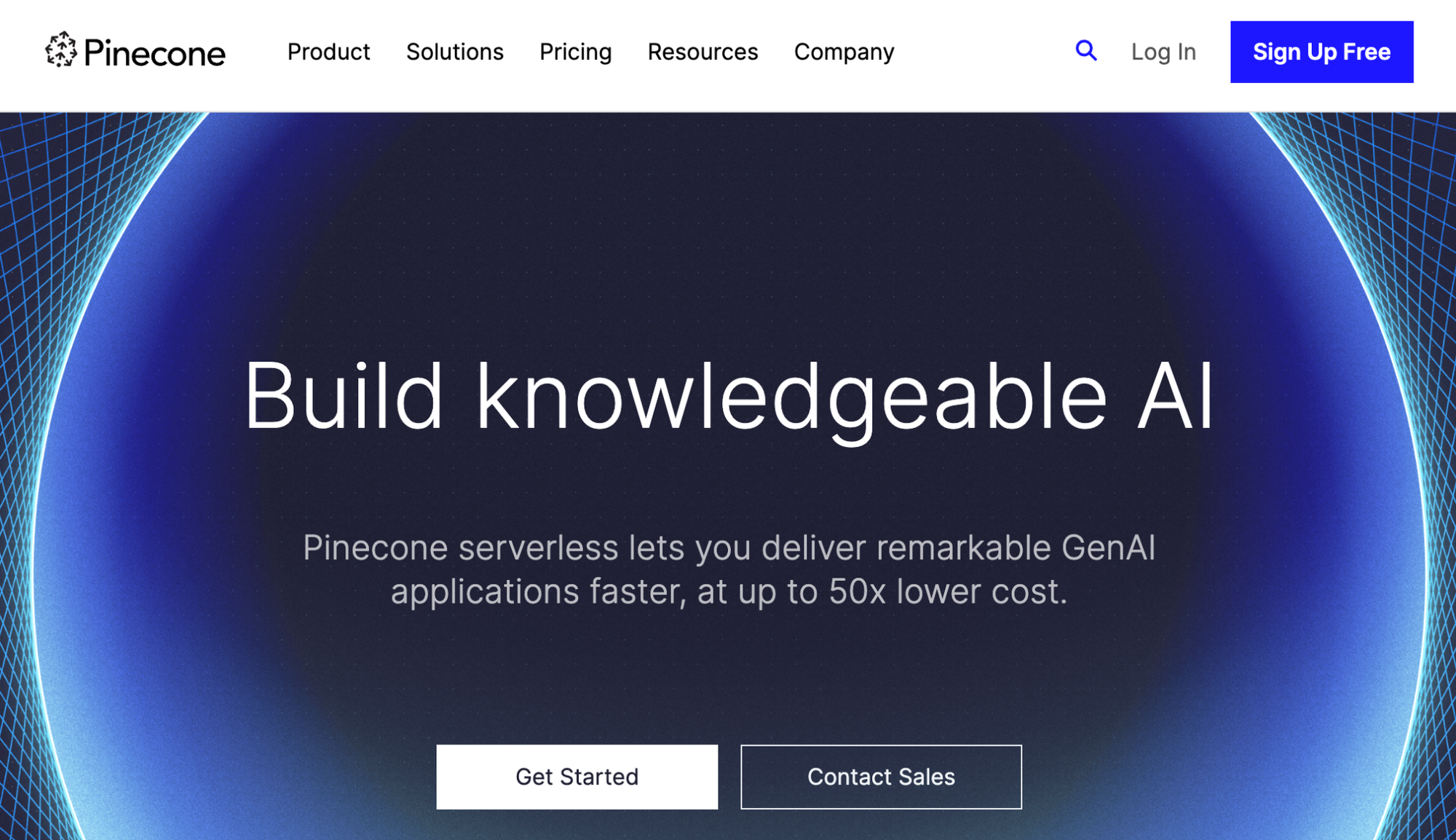
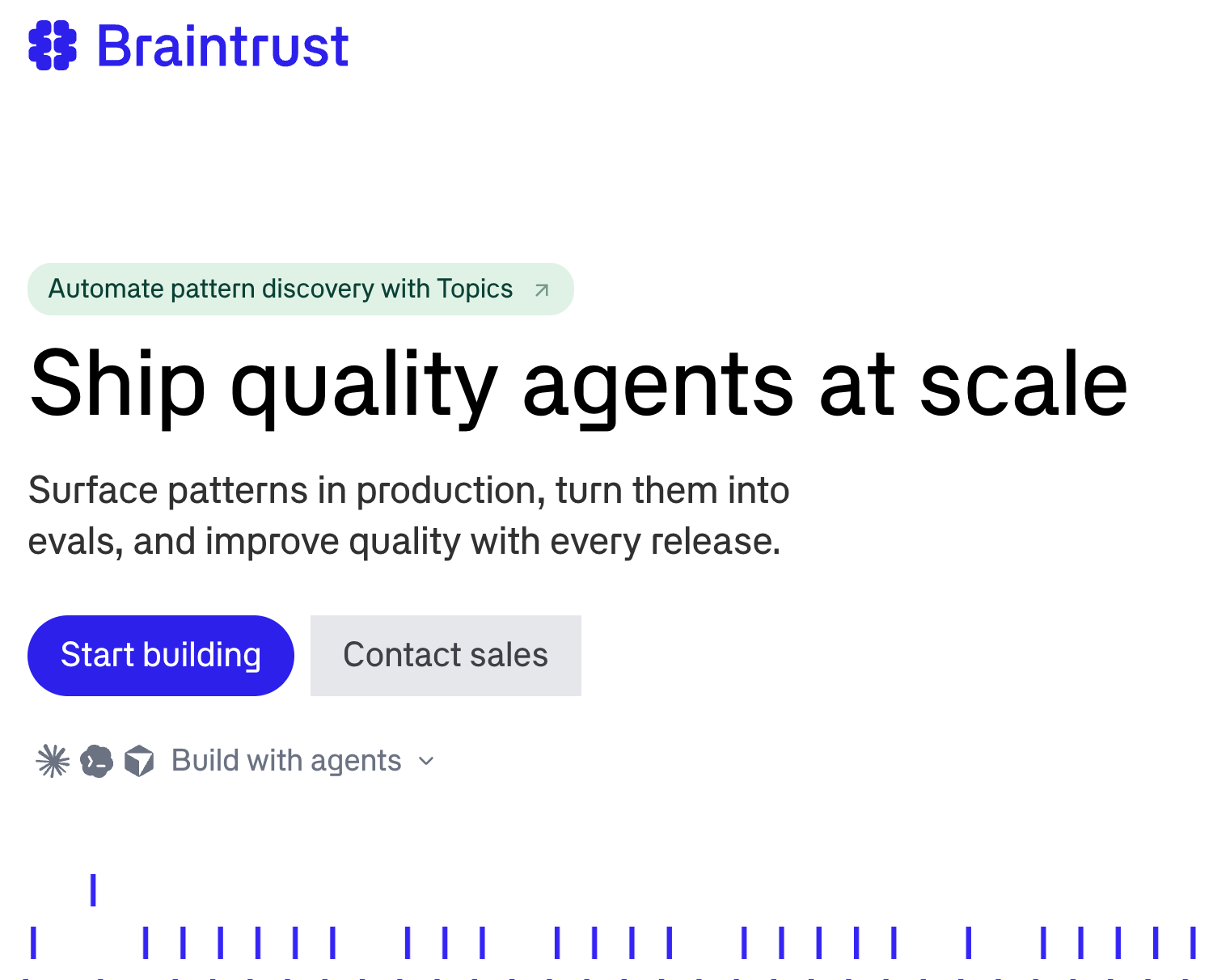
The following startups position themselves around what people want... Can you spot the aspiration, desired outcome, and requirements?

The Kumo Story
Kumo gave data scientists a way to develop a new kind of predictive model, based on graph transformers. And they had a positioning problem: Despite outperforming traditional models both on benchmarks and in production with customers, their target audience — data scientists — just didn’t seem to care. Inbound interest was scarce, sales cycles were slow, and limited adoption within customers was putting renewals at risk.
Depending on the day and the person you asked, you’d hear that Kumo is a data science platform, or “AI for relational data,” or better predictive models, or something for “unlocking” data warehouses, or something about fraud detection, or you’d get an earful about “graph transformers.” And if you looked at their site, you’d see all that and more.
From interviewing 25 data scientists, I learned their desired outcome was to improve the business using data and predictive models. On average, they managed to accomplish that only once every three months. Most of that time was spent on data prep and feature engineering — work they considered soul-crushing yet absolutely necessary.
They also thought Kumo offered off-the-shelf models trained without the data preparation they considered a requirement for good models. No wonder they weren’t interested: Kumo sounded like a worse version of what they already had.
The conversations also revealed something deeper: In the golden age of AI, the people with what was once considered the sexiest job of the 21st century were reduced to spending their days screwing with data and decade-old tools, with months passing between noticeable improvements. My hunch was they wanted their work to feel meaningful again; to get back in the AI conversation; to become the data scientists they’d dreamed of being.
So we tested messaging that touched on both the desire and the aspiration: Move from predictive modeling to predictive AI; develop equally good or better models 20x faster, without feature engineering. Graph transformers stayed in the story, but as proof that Kumo’s models were completely different and could deliver on the promise.
It worked. People got it, got excited, signed up for online workshops by the thousands, and started championing Kumo inside their organizations.
My favorite reaction came from the director of data science at a large tech company. She confessed the data-prep grind was why she’d fallen out of love with the profession years earlier, and that we’d put into words what she’d yearned for ever since.
Could “a composable OS fabric” ever do that?